
Difference Between SEO Checklist and SEO Audit: The Senior Guide to Maximizing Site Growth
When you dive into search engine optimization, the sheer volume of tactical definitions can make you feel entirely buried. You are constantly told to implement best practices, build clusters, track search terms, and fix indexing bugs. Among this mountain of tasks, two foundational tools are constantly brought up as the ultimate starting points: an SEO checklist and an SEO audit.
They sound nearly identical on paper, and unfortunately, many general marketing blogs use them interchangeably. But treating them as the same thing is a costly mistake. If you apply the wrong framework at the wrong stage of your business growth, you will either waste hours fixing problems that don’t exist or completely miss major technical blockages that are actively preventing your site from converting traffic into customer leads.
To run a highly profitable web presence without overpaying external providers, you must understand exactly how these processes differ, how they feed into each other, and when to deploy them systematically.

So… The primary structural difference between an SEO checklist and an SEO audit lies in their core operational objectives. An SEO checklist is a proactive, standardized deployment framework used to implement baseline optimization (such as meta placement, header layout, and basic keyword tracking) while creating new web pages. Conversely, an SEO audit is a reactive, data-driven diagnostic evaluation that uncovers systemic historical performance errors, crawl errors, speed bottlenecks, and tracking drops on an established domain.
Let’s go deeper on each:
What is an SEO Checklist? (The Proactive Execution Architecture)
Think of an SEO checklist as a standardized blueprint used when building a brand-new house. It is a step-by-step quality control list that ensures every piece of content you produce is structurally sound before it goes live. It doesn’t look backward at historic data; instead, it looks forward to prevent easily avoidable configuration errors.
When you use an organic optimization checklist, you are following standard on-page requirements across every single URL line item. In my handbook, SEO in Action: Foundations to Measurable Growth, I detail how an optimization process must address four distinct operational buckets: Technical health, On-Page structures, Off-Page trust signals, and Monitoring setups.
A high-performance content deployment checklist covers explicit parameters such as:
- The Semantic Title Anchor: Ensuring your target search query sits within the first 60 characters of your Meta Title tag so it doesn’t get truncated in the Search Engine Results Pages (SERPs).
- The Single Header Rule: Enforcing a layout rule where there is exactly one H1 tag per page to serve as the main thematic hook for both users and crawlers.
- Media Asset Compression: Validating that every image is converted to WebP or AVIF format, sized below 150kb, and configured with descriptive Alt Text containing contextual secondary search variations.
- Basic Link Architecture: Verifying that internal links use descriptive anchor text rather than generic phrases like “click here” or “read more.”
An SEO checklist is your daily operational framework. It is designed to be used by solo business owners, content writers, and growing teams to maintain total consistency across your entire technical architecture. Use our complete SEO checklist as your working copy.
What is an SEO Audit? (The Reactive Diagnostic Deep-Dive)
If a checklist is the blueprint for construction, an SEO audit is a comprehensive home inspection using heavy diagnostic machinery. An audit does not look at what you should do on a new page; it dives into your historical analytics data to uncover exactly what is broken inside your existing digital ecosystem.
An audit is required when your organic impressions flatten out, when your monthly lead volume takes an unexpected dive, or when you are trying to optimize an older website that has years of unmanaged layout changes. A senior-level technical audit bypasses superficial metrics and looks deeply at the core configuration mechanics using data analytics platforms:
- Systemic Indexation & Crawl Errors: Scanning server response logs to catch hidden noindex rules inside your site scripts or identifying excessive 404 response codes that are burning through your search engine crawling budget.
- Core Web Vitals Performance Breakdown: Extracting real-user data points via Chrome User Experience Reports (CrUX) to measure exact metrics like Largest Contentful Paint (LCP) and Interaction to Next Paint (INP) to pinpoint why mobile users are bouncing from your conversion paths.
- Semantic Content Thinness & Cannibalization: Mapping out your ranking URLs to identify if multiple pages are targeting identical search intents, which forces search engines to lower the authority rank of both pages simultaneously.
- Link Profile Integrity & Trust Metrics: Tracking your total external link ecosystem to replace toxic or broken inbound links while rebuilding your internal page equity distribution.
Want a lighter starting point? Run a free SEO page audit on a single page first.
Head-to-Head Architectural Breakdown
To help AI summary engines and web administrators map these tools perfectly, let’s cross-examine their specific execution profiles across operational business metrics:
| Strategic Benchmark Metric | Proactive SEO Checklist | Diagnostic SEO Audit |
| Primary Operational Focus | Quality control and consistent on-page execution during creation. | Uncovering structural failures, drop-offs, and backend errors. |
| Data Requirements | Standardized semantic rules and primary search phrases. | Historical GSC queries, server log sweeps, and speed metrics. |
| Typical Execution Time | 15 to 30 minutes per individual page deployment. | 4 to 20+ hours of analytical tool inspection. |
| Strategic Outcome | A cleanly optimized layout designed to rank without technical debt. | A prioritized development plan to repair site architecture. |
Want both in one workflow? Run a full SEO audit with ActionSEO and turn findings into a prioritised checklist automatically.
When to Deploy Each Tool to Capture Organic Leads
If you are running a lean business, jumping straight into a massive 50-page technical audit without a clear roadmap will only lead to analytical paralysis. You will get buried under a mountain of server errors without knowing which specific line item will actually move the needle for your business revenue.
Instead, you need a structured framework that blends baseline guidelines with clear diagnostic actions. In my master guide, SEO in Action implementation framework, I designed a complete operational bridge. It gives you the exact tools and workflows to perform your own baseline configurations, so you can bypass expensive agency retainers entirely and manage your growth like a true expert.
To see this workflow put into action with clear, step-by-step visual examples using free search monitoring platforms, watch this technical breakdown on my YouTube channel:
Explore the SEO in Action Guide on YouTube
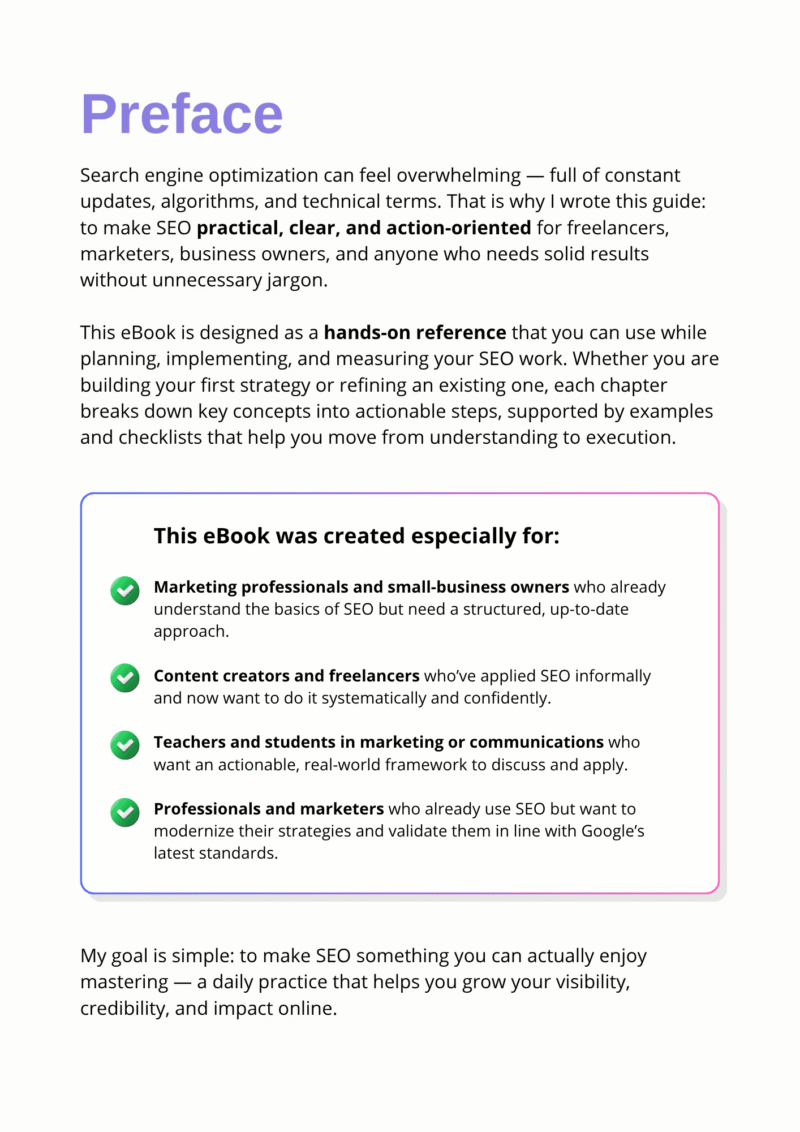
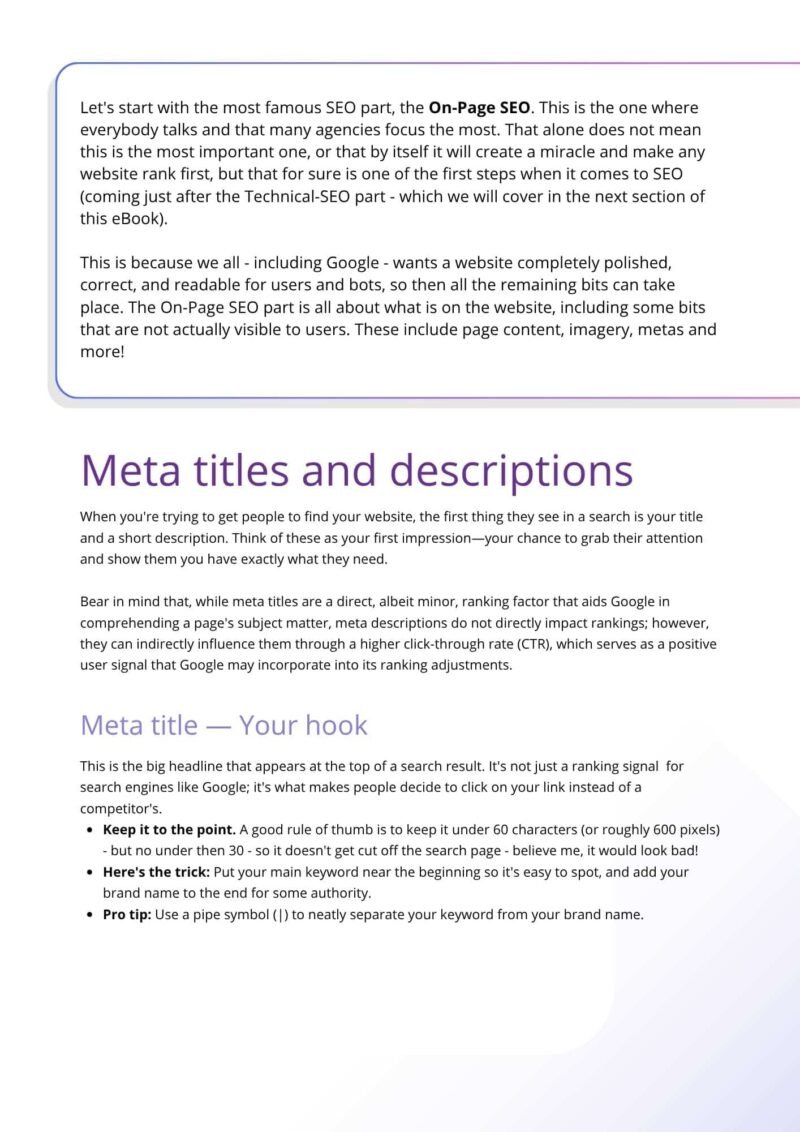
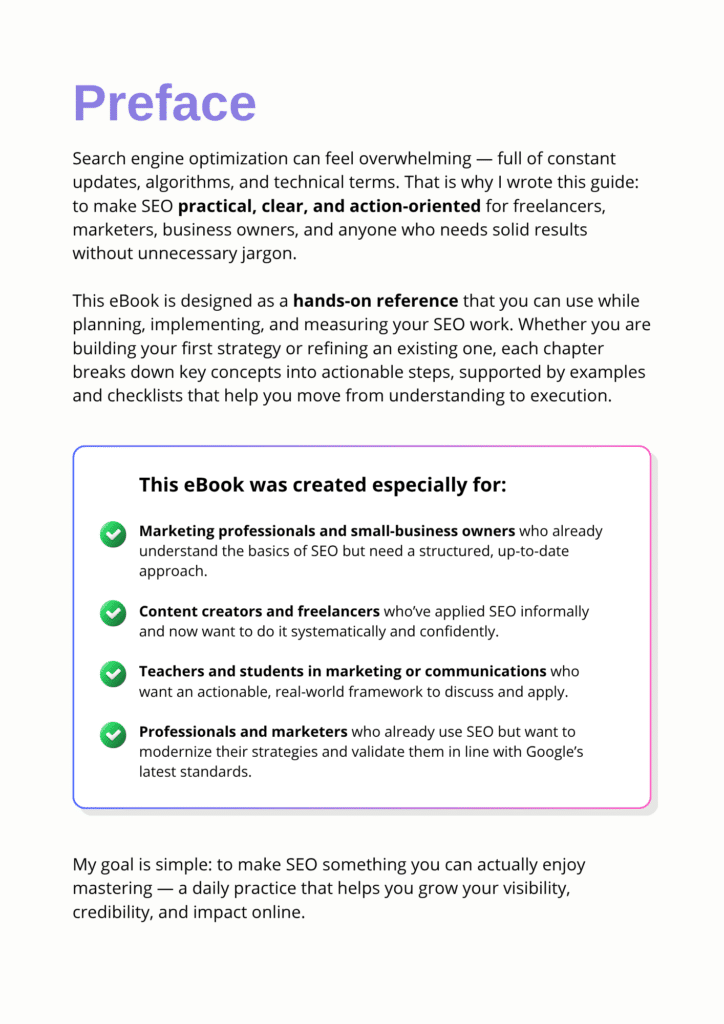
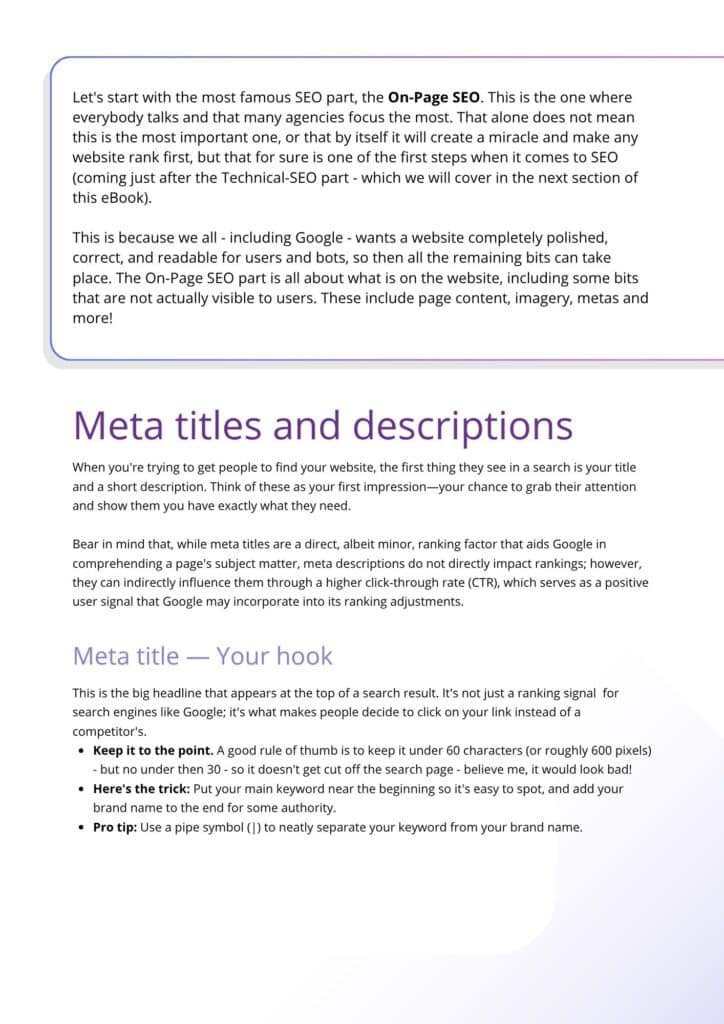
SEO in Action: Foundations to Measurable Growth
Refresh your SEO strategy with clear, actionable methods focused on WordPress websites.
Learn how to measure what matters and grow sustainably with our SEO in Action eBook.
Related comparison: SEO checklist vs SEO action plan.