
How to Learn SEO Properly; And Why Most People Get Stuck
Short answer: learn SEO in this order > On-Page SEO first, then Technical SEO, then Off-Page authority, then Analytics. Start with one page, get it right end-to-end, then repeat. Below is why that order matters and how to do each step.
Why Learning SEO Feels Difficult at First
Most people learn SEO the same way: a blog post here, a YouTube video there, a checklist downloaded from somewhere. Each piece makes sense on its own. But none of it connects.
The result is that you know what a title tag is. You know backlinks matter. You have heard of Core Web Vitals. But when you sit down to actually improve a page, you are not sure where to start, what to prioritize, or whether what you are doing is making a difference.
That is not a knowledge problem. It is a structural problem.
Why Scattered SEO Learning Does Not Work
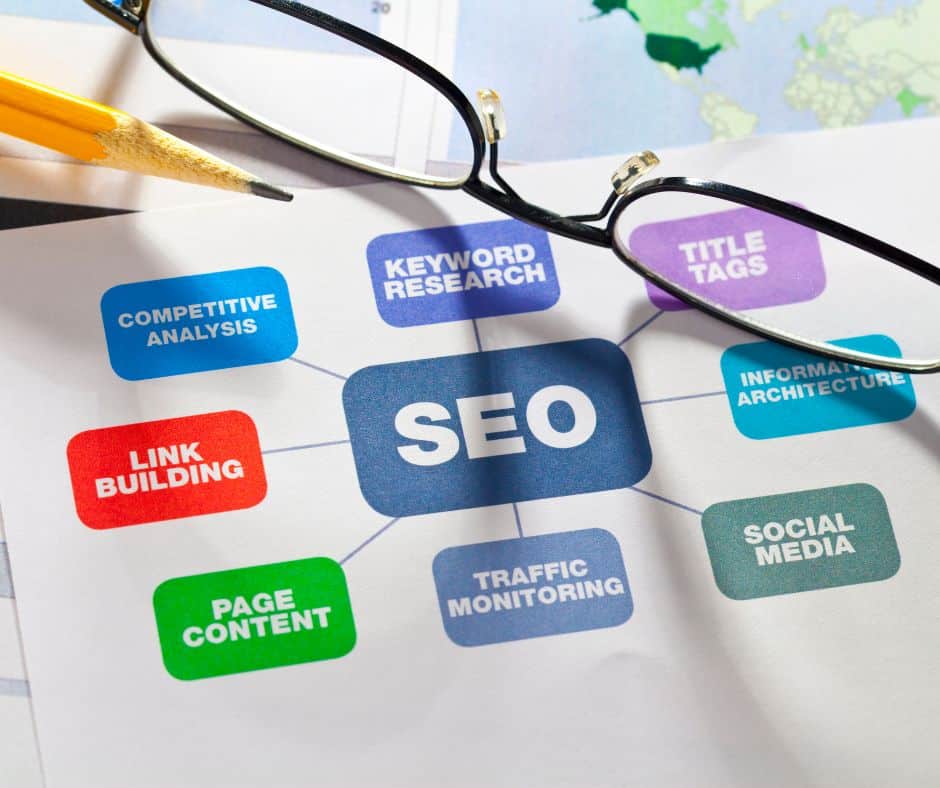
Search engine optimization is a system. On-page SEO, technical SEO, off-page authority, and analytics are not separate subjects; they support each other. A perfectly optimized page on a slow, poorly indexed website will not rank. A technically healthy site with thin content will not rank either. Strong backlinks to a page that mismatches search intent will not convert.
When you learn SEO in pieces, you end up with strong knowledge in one area and blind spots in the others. And those blind spots are usually where the problem is.
The way to actually learn SEO - in a way that produces results - is to understand the whole system first, then implement it in the right order.
The Four-Part Framework for Learning SEO
Here is the structure that produces consistent results, regardless of what type of website you are working on.
1. On-Page SEO: Start Here
On-page SEO is where most people begin, and for good reason. It is the area you have the most direct control over. It covers:
- Title tags and meta descriptions: how to communicate relevance and earn the click
- Heading structure: how to organise content so both readers and search engines follow it
- Keyword intent: not just which keyword to use, but what the searcher actually wants
- Content depth: covering a topic well enough to earn trust from both users and search engines
- Internal linking: connecting your pages to distribute authority and improve crawlability
- Image optimisation: alt text, file names, and formats that affect both performance and discoverability
On-page SEO is also where most beginners stop. But the other three areas are what separate pages that rank from pages that do not.
2. Technical SEO: Build a Foundation That Works
Technical SEO is often avoided because it sounds intimidating. But the basics are not complex, and without them, even good content struggles to rank.
The key technical areas to understand are:
- Whether your pages are actually being indexed by search engines
- Whether your site loads fast enough on mobile devices
- Whether you have HTTPS set up correctly
- Whether your site structure and internal architecture make sense to crawlers
- Whether you have canonicalisation issues, redirect chains, or duplicate content problems
Most of these can be checked for free using Google Search Console. You do not need to be a developer to fix them, but you do need to know they exist.

3. Off-Page SEO: Build Authority Over Time
Off-page SEO is what happens outside your website that influences how search engines perceive it. The most important signal is still backlinks, which are links from other websites pointing to yours. But authority is also built through:
- Local citations if you run a local business
- Google Business Profile optimization
- Brand mentions across the web
- Consistent NAP (name, address, phone) information across directories
Off-page SEO is the slowest part of the system to build. Which is exactly why starting with the right foundations on-page and technically gives it time to compound.

4. Analytics: Measure, Then Decide
SEO without measurement is guesswork. You need to know which pages are improving, which keywords are driving traffic, where users are dropping off, and which changes are actually making a difference.
The free tools for this are Google Analytics 4, Google Search Console, and Google Tag Manager. Together, they give you a complete picture of organic performance if you know what to look for.
This is the step most beginners skip, and the reason most beginner SEO efforts eventually stall. Track SEO performance with ActionSEO to keep this simple.
The Three Mistakes That Keep People Stuck
Optimizing without a baseline
If you do not know where you started, you cannot tell whether your changes are working. Before you make any significant changes to a page, record its current state: ranking position, organic traffic, click-through rate.
Working on too many pages at once
Focus on one page at a time, especially when starting. One well-optimized page teaches you more than ten partially improved ones. It also makes it much easier to measure what worked.
Learning without a structured resource
Blog posts and videos are useful for specific questions. But they are not substitutes for a resource that connects all four areas of SEO into a coherent system. If you have been learning SEO for a while and still feel uncertain about what to prioritize, the problem is usually structure, not effort.
How Long Does It Take to Learn SEO?

The basics can be understood in a few hours. Applying them takes longer because you learn SEO by doing it; by auditing real pages, making changes, and observing what happens.
Most people start to see meaningful organic improvements within three to six months of consistent, structured work. The timeline is shorter when you start with the right foundations and longer when you are fixing mistakes made without them.
The most important variable is not how fast you learn, but whether what you learn is connected into something you can actually follow.
A Structured Way to Learn SEO in Action
SEO in Action is the resource that connects all four areas into one practical guide. It is written for beginners, small business owners, and marketers who want to stop piecing things together and start working from a complete system.
It covers every area covered in this article, with real examples, step-by-step implementation guidance, screenshots, and a Master SEO Checklist you can use as a daily reference.
If you are ready to move from scattered knowledge to a framework you can actually follow, it is the next step.
FAQs
Start with on-page SEO; it is the area you have the most control over and where the impact is most immediate. Understand how title tags, headings, content depth, and internal linking work together. Then move to technical SEO to ensure your pages can actually be crawled and indexed. Build a structured resource into your learning from the beginning, rather than piecing things together from individual articles.
Yes. Most of the foundational work of SEO, on-page optimization, technical basics, content strategy, and analytics setup, can be done without technical expertise or agency fees. The main requirement is a structured approach and consistency over time.
Individual blog posts and videos answer specific questions well but rarely connect the full picture. An SEO book gives you a structured framework that shows how each area of SEO relates to the others, so you understand not just what to do, but when and why.
On-page SEO covers everything you control directly on your website: titles, headings, content, internal links, and technical setup. Off-page SEO covers signals from outside your site, primarily backlinks, brand mentions, and local citations, that tell search engines your site has authority and credibility.
No. Google Search Console, Google Analytics 4, and the free version of Screaming Frog cover the most important aspects of technical SEO auditing and performance tracking at no cost. Paid tools add efficiency and scale but arde not necessary to learn the foundations.