
SEO Basics Guide: Complete Beginner’s Guide
What is SEO?
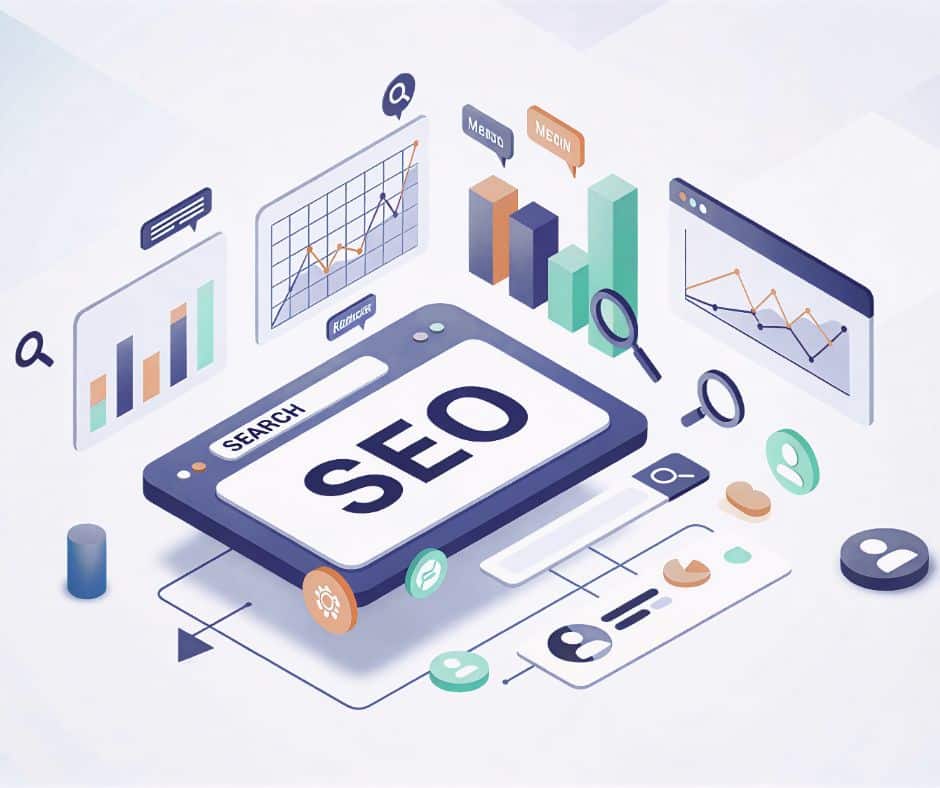
Search Engine Optimization (SEO) is the process of improving your website so that it appears higher in search engine results like Google. The goal is simple: increase visibility, attract the right audience, and drive more traffic to your website.
SEO is not about tricks or shortcuts. It is about creating useful content, optimizing your website structure, and building trust so search engines understand that your content deserves to rank.
Learn SEO Step by Step
How Do Search Engines Work?

Search engines like Google follow three main steps:
- Crawling – Bots scan your website and discover pages
- Indexing – Pages are stored in Google’s database
- Ranking – Pages are shown based on relevance and quality
If your website isn’t properly optimized, it may not even be indexed - meaning it will not appear in search results at all.
SEO Ranking Factors You Need to Understand
Search engines use hundreds of factors to determine which pages should rank higher, but some core elements consistently play a major role. Content quality is the most important factor. Pages that provide clear, useful, and complete answers tend to perform better over time. Google prioritizes content that satisfies user intent and keeps visitors engaged.
Relevance is also critical. Your content must match the keywords users are searching for, but in a natural way. Instead of forcing keywords, focus on covering the topic in depth.
User experience signals, such as page speed, mobile-friendliness, and time spent on the page, also influence rankings. A slow or difficult-to-navigate website can negatively impact your performance.
Finally, backlinks act as a strong authority signal. When other websites link to your content, it tells search engines that your page is trustworthy and valuable.

On-Page SEO Basics
On-page SEO focuses on everything you can control on your website. Key elements include:
- Meta titles and descriptions (your first impression in search results)
- Headings (H1, H2, H3) to structure content
- Content quality and relevance
- Keyword usage (natural, not forced)
- Internal linking
Your content should always match what the user is searching for. If someone searches “learn SEO basics,” your page must clearly explain SEO in a simple and helpful way.
Not sure where your on-page SEO stands today? Run a free SEO page audit and score.
Technical SEO Basics
Technical SEO ensures your website works properly for both users and search engines. Important areas:
- Website speed
- Mobile optimization
- Secure HTTPS connection
- Proper indexing
- XML sitemap and robots.txt
Even great content won’t rank if your website is slow or difficult to crawl.

Off-Page SEO Basics
Off-page SEO focuses on building authority and trust. This includes:
- Backlinks from other websites
Brand mentions - Social media presence
Think of backlinks as “votes of confidence.” The more high-quality websites link to you, the more trustworthy your site becomes in Google’s eyes.

SEO Checklist for Beginners
If you are new to SEO, it is important to focus on the fundamentals that have the biggest impact. Rather than trying to do everything at once, start with a structured approach that builds a strong foundation.
1 - Begin by optimizing your page titles and meta descriptions, ensuring they clearly describe your content and include relevant keywords. These elements are often the first thing users see in search results, so they play a key role in click-through rates.
2 - Next, focus on creating helpful, well-structured content. Use headings (H1, H2, H3) to organize your ideas, and make sure each section answers a specific question or topic. This improves both readability and SEO performance.
3 - Improving page speed and mobile usability is also essential. A fast-loading website not only enhances user experience but is also a known ranking factor.
4 - Another important step is adding internal links to connect related pages across your site. This helps distribute authority and guides users toward more valuable content.
5 - Finally, make sure to monitor your performance using Google Search Console. This tool allows you to track impressions, clicks, and keyword rankings, helping you understand what’s working and where to improve.
For a complete breakdown, explore our full SEO checklist and how to implement all of them!
Keyword Research Basics
Internal linking is one of the most underrated SEO techniques, yet it has a powerful impact on rankings. By linking your pages together, you help search engines understand the structure of your website and identify your most important content. This also distributes authority across your pages, improving overall performance.
For example, a guide like this should link to related topics such as SEO checklists, keyword research, and tracking performance. At the same time, those pages should link back to this guide. Internal linking also improves user experience by helping visitors navigate your site and discover more valuable content.
What is Search Intent in SEO?
Search intent refers to the reason behind a user’s search. Understanding this concept is essential if you want your content to rank.
There are different types of search intent. Informational intent occurs when users are looking to learn something, such as “what is SEO.” Navigational intent happens when users want to find a specific website. Transactional intent is when users are ready to take action, such as buying a product.
If your content does not match the intent behind a keyword, it is unlikely to rank well. For example, a user searching for “SEO basics” expects a beginner-friendly guide, not an advanced technical explanation.
By aligning your content with search intent, you increase both your chances of ranking and your ability to convert visitors into readers or customers.

Internal Linking Strategy for SEO
Internal linking is one of the most underrated SEO techniques, yet it has a powerful impact on rankings.
By linking your pages together, you help search engines understand the structure of your website and identify your most important content. This also distributes authority across your pages, improving overall performance.
For example, this guide links to related topics such as our SEO checklist, keyword research guide, and guide to tracking SEO results. At the same time, those pages link back to this guide.
Internal linking also improves user experience by helping visitors navigate your site and discover more valuable content. If you want an automated audit to surface these opportunities for you, ActionSEO flags internal linking gaps as part of its site audit.
Essential SEO Tools For Beginners
Using the right tools can make SEO much easier, especially when you are just starting out. One of the most important tools is Google Search Console, which allows you to monitor your website’s performance in search results. You can track impressions, clicks, and identify which keywords are driving traffic.
Other useful tools include keyword research platforms and website audit tools, which help you identify technical issues and optimization opportunities. While tools are helpful, they should support your strategy - not replace it. Focus on understanding the fundamentals first, then use tools to scale your efforts.
Want all of this in one place? Run a practical SEO audit with ActionSEO.
Common SEO Mistakes to Avoid
When starting with SEO, it is easy to focus on tactics without fully understanding how search engines evaluate content. As a result, many beginners fall into common traps that can actually hurt rankings instead of improving them.
One of the most frequent mistakes is keyword stuffing, where the same keyword is repeated unnaturally throughout the page. While keywords are important, modern SEO prioritizes readability and user experience over repetition.
Another critical issue is ignoring technical SEO. Even great content may struggle to rank if your site has slow loading times, broken links, or poor mobile usability. Search engines rely on these signals to determine whether your site provides a good experience.
Many beginners also create content without considering search intent. This means writing articles that don’t match what users are actually looking for. For example, someone searching for “SEO basics” expects a clear, beginner-friendly guide - not an overly technical explanation.
Additionally, failing to use internal links can limit your site’s ability to build authority. Internal linking helps search engines understand your site structure and keeps users engaged for longer.
Finally, publishing thin or low-quality pages can weaken your overall domain performance. Instead of creating many shallow pages, focus on producing fewer, high-quality pieces that fully answer user queries.
SEO is not about doing more - it’s about doing things correctly and consistently.
Continue Reading
SEO is a long-term strategy, but its impact compounds over time. Unlike paid ads, which stop generating traffic as soon as you stop spending, SEO continues to bring in visitors organically once your pages start ranking.
The key is consistency. By focusing on high-quality content, proper structure, and user intent, you can gradually build authority and visibility in search engines.
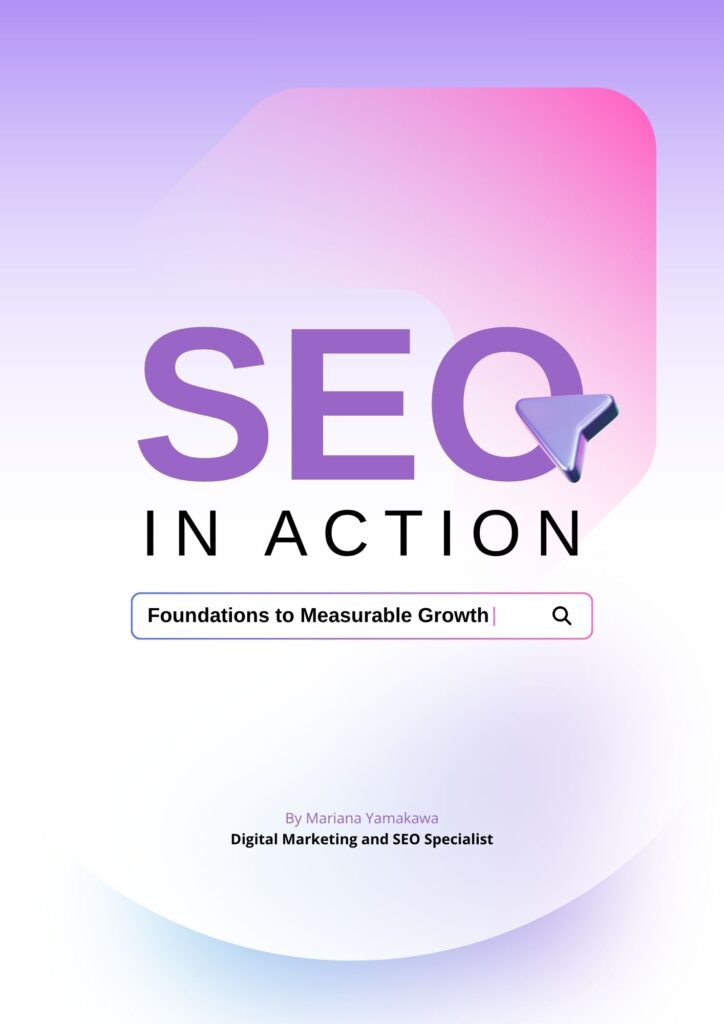
If you are looking for a practical, step-by-step approach with real examples, the SEO in Action eBook provides a complete framework to help you implement everything effectively.
FAQs
ASEO (Search Engine Optimization) is the process of improving your website to increase its visibility on search engines like Google. It works by optimizing content, technical elements, and authority signals so search engines can better understand and rank your pages.
SEO is a long-term strategy. In most cases, you may start seeing initial improvements within 3 to 6 months, but significant results typically take longer depending on competition and consistency.
Some of the key factors include high-quality content, relevant keywords, page experience (speed and mobile usability), backlinks, and proper on-page optimization such as titles and headings.
On-page SEO focuses on optimizing content, keywords, and structure within your pages, while technical SEO deals with site performance, indexing, and how search engines crawl your website.
Search intent refers to the reason behind a search query. Understanding whether users want information, to make a purchase, or to compare options helps you create content that matches their expectations.